The Spread Gap
Big Five banks typically maintain a spread of 2.5% to 3% on USD/CAD pairs for retail clients. Private brokers operate on volume, narrowing this margin to 0.5% or less for significant transfers.
Understanding the spread difference between major financial institutions and specialized exchange firms. We examine why traditional retail banking often costs investors 2% more per transaction.
Big Five banks typically maintain a spread of 2.5% to 3% on USD/CAD pairs for retail clients. Private brokers operate on volume, narrowing this margin to 0.5% or less for significant transfers.
While banks claim "zero commission," the fee is baked into the exchange rate. Private brokers provide transparent mid-market rates with a clearly defined flat service fee.
Traditional wire transfers through branches can take 3-5 business days to settle. Specialized brokers often utilize EFT or Bill Payment systems to complete swaps within 24 hours.
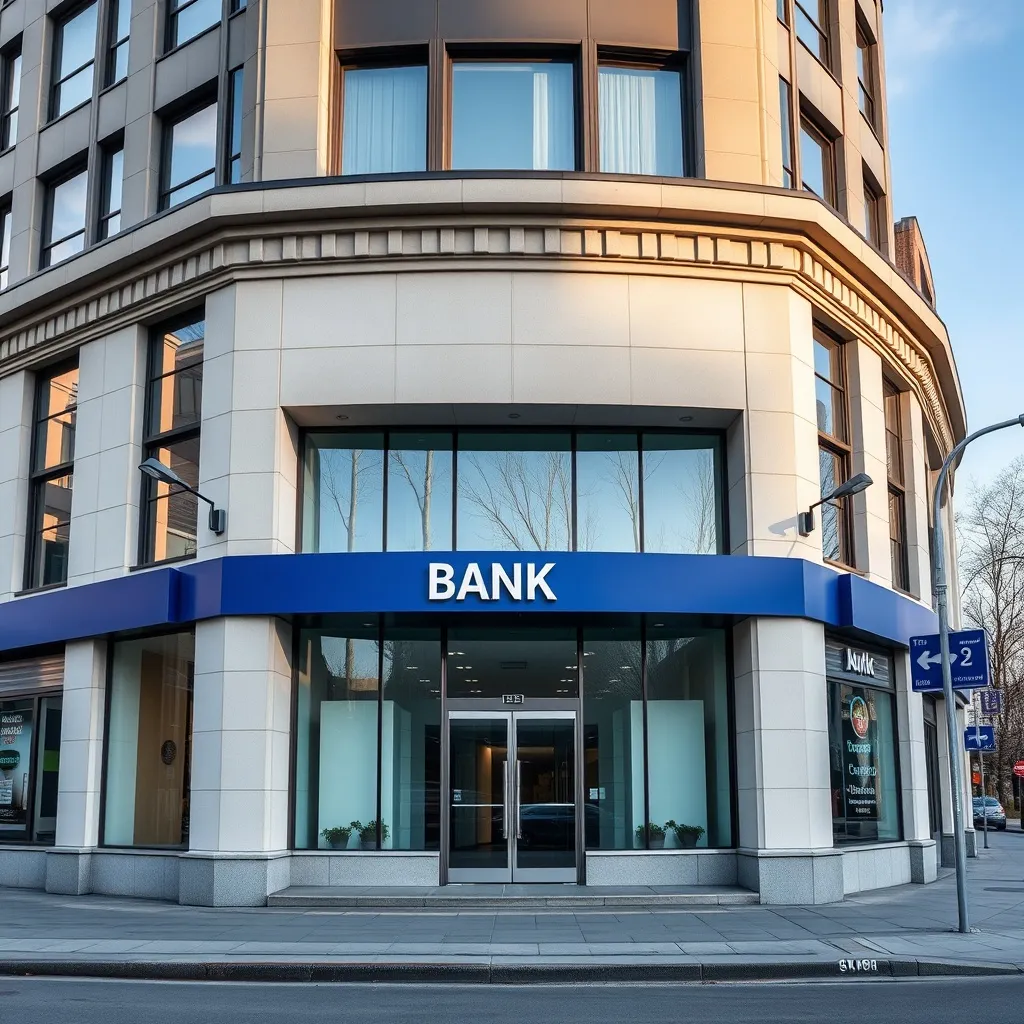
"I remember sitting in a glass-walled office in downtown Montreal back in 2018," says our lead analyst. "I was trying to move $50,000 for a client's US property purchase. The manager told me straight: 'We can't match the broker rates because our overhead includes this building, the staff, and the ATM network.' It was a moment of pure clarity for me."
The manager admitted that their primary target isn't the savvy investor, but the convenient traveler. For someone moving $100, the $3 difference doesn't matter. But for an investor, that 2% spread is $1,000 gone for no reason. This is why understanding the SWIFT and EFT transfer fee guide is critical before choosing your partner.
"— Look, if you want the best rate, you don't come to a teller. You go to a specialist. We provide safety, they provide price," the manager concluded. That honesty changed how we approach currency today.
Every legitimate broker in Canada must be registered as a Money Services Business (MSB). Always check the FINTRAC database for their registration number before sending funds. This ensures they follow federal anti-money laundering regulations.
Verify that the broker uses segregated bank accounts. This means your money is never mixed with the company's operating funds. If the broker goes bankrupt, your capital remains protected and reachable.
Ask about their "spot rate" policy. A professional broker should be able to lock in a rate over the phone or via a portal, giving you a confirmation number. Read more about Using Interactive Brokers for Spot Exchange for high-volume technical swaps.
Stop losing thousands to bank spreads. Compare current market rates and choose the most efficient path for your USD/CAD conversions today.