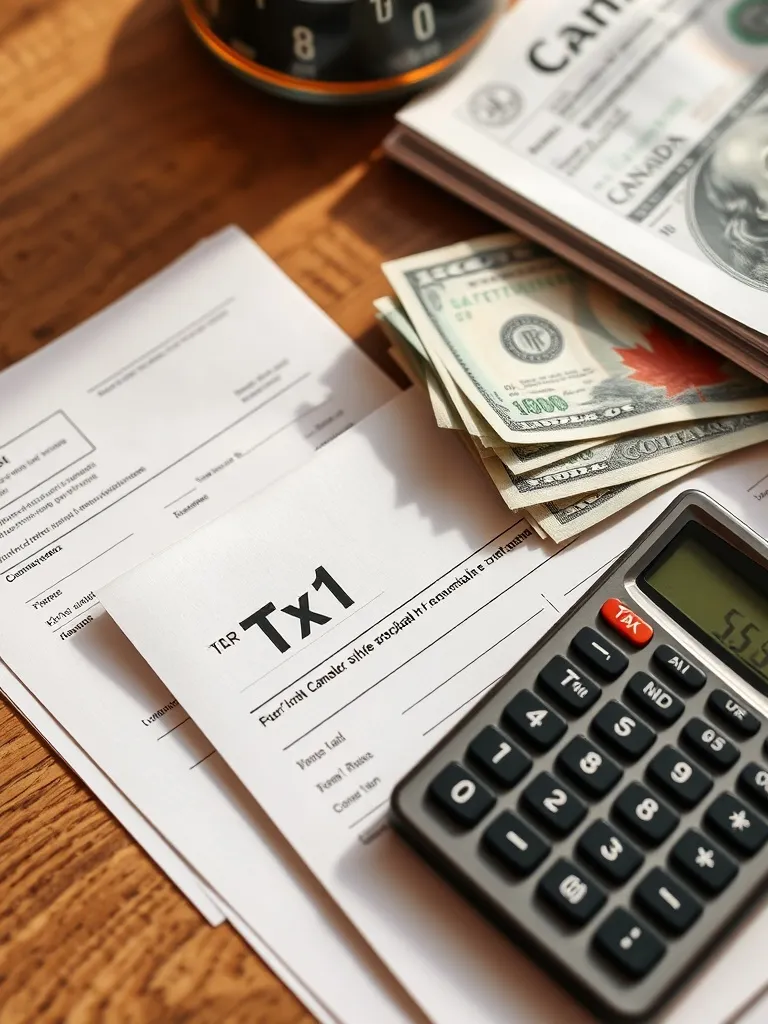
The 2018 Tax Season Surprise: A Cautionary Tale
Back in 2018, I worked with a client named Robert who had recently sold a property in Florida. He brought back about $300,000 USD and decided to sit on it in a high-interest savings account while waiting for the Canadian dollar to weaken. He eventually converted it when the loonie dipped, netting himself an extra $12,000 CAD purely from the exchange rate movement. Robert thought he was just being a savvy investor, but when April rolled around, his accountant dropped a bombshell.
«— Robert, you realize this $12,000 isn't just "found money," right? The CRA views this as a taxable capital gain,» his accountant told him. Robert was stunned because he hadn't actually "invested" in a business or a stock; he had just held cash. But in the eyes of the Canadian tax man, foreign currency is treated as a commodity, much like a piece of gold or a share in a company.
He ended up owing a significant portion of that gain back in taxes because he hadn't tracked his Adjusted Cost Base (ACB) from the moment the USD entered his possession. This story is common among Canadians who move between currencies without realizing that every conversion—and even just holding the currency—can trigger a "disposition" for tax purposes. If you are using methods like the Norbert Gambit, these calculations become even more vital to your bottom line.
Ready to Optimize Your Exchange?
Don't let the banks take 3% on the spread and then pay taxes on what's left. Learn how to use professional tools to keep more of your money.