I remember back in 2018 when I was trying to move a significant portion of my CAD savings into US-listed index funds. I walked into a major Canadian bank branch in Quebec City, thinking my "preferred client" status would get me a deal. The teller smiled and offered me a rate that was roughly 180 pips away from the actual mid-market price. On a $50,000 transfer, that "friendly" smile was effectively costing me nearly $900 in hidden spread. It was a wake-up call that led me down the rabbit hole of professional trading platforms.
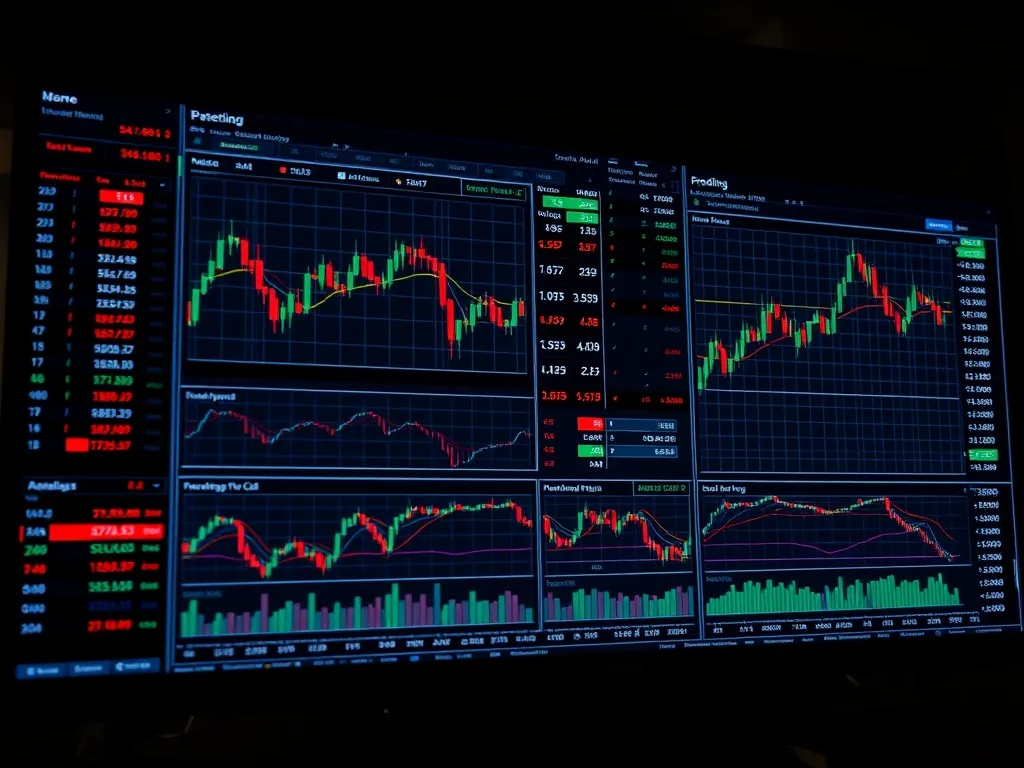
Transitioning to Interactive Brokers felt like moving from a tricycle to a jet engine. The interface wasn't designed for casual browsing; it was built for execution. "It looks like a cockpit," my colleague remarked when he first saw the Trader Workstation (TWS). But once you get past the initial intimidation of the flashing red and green tickers, you realize the power of seeing the actual bid/ask spread. You aren't just taking whatever price a bank dictates; you are participating in the same market they use.
"The moment you stop treating currency as a service and start treating it as an asset class, your cost of doing business drops by 90%."
The learning curve was steep but rewarding. I spent the first few nights on the paper trading account, making sure I didn't accidentally leverage myself 50:1 on a simple CAD.USD pair. I learned that in the professional world, you don't "buy US dollars"—you sell the CAD.USD pair or buy the USD.CAD pair depending on your base currency. It’s a subtle shift in mindset, but it’s the difference between being a consumer and being an operator.
By the time I executed my first real trade, the adrenaline was high, but the result was boringly efficient. I converted $20,000 CAD to USD, paid exactly $2.00 USD in commission, and got a fill price that was within 0.01% of the rate I saw on Reuters. No hidden fees, no "administrative charges," just pure market execution. That was the day I realized I would never use a retail bank for currency exchange ever again.